
The credibility gap: vaccines, science, and the politics of trust
A look at the uneasy relationship between science, profit, and public trust — and why transparency matters more than slogans. Wellness #4

Vaccines are among modern medicine’s most celebrated achievements. They’re credited with saving millions of lives and eradicating ancient plagues and the success story is told so often that it’s become a kind of secular creed: vaccines work, full stop.
But when an idea becomes an article of faith, curiosity suffers. The real question isn’t whether vaccines save lives—they can do, they can also destroy lives—but how we decide what “safe and effective” truly means, and who gets to define that truth.
The architecture of trust
Vaccines sit at the intersection of public health and private profit. Governments fund the research, corporations scale the production, and global alliances manage distribution. Each actor depends on the others, creating an ecosystem where financial, political, and reputational incentives intertwine.
Critics don’t claim that profit automatically corrupts science. They point out that dependence—on grants, contracts, or future funding—can narrow the range of permissible questions. Negative findings are quietly shelved, trial data selectively published, and early warnings downplayed in the name of public confidence.
That doesn’t necessarily lead to fraud, although that possibility has surfaced in various enquiries. It means fragility.
History without the halo
The early smallpox and polio campaigns were messy and sometimes tragic. Vaccines were contaminated, safety standards inconsistent, and early rollouts occasionally caused harm and actually caused the diseases they were meant to prevent.
Yet over time, those complications faded from memory, replaced by simplified stories of triumph.
Acknowledging the blemishes isn’t anti-science—it’s the essence of it. Medicine, like democracy, depends on self-correction.
The binary that threatens real dialogue
Today’s vaccine debate often feels like trench warfare: “pro-science” versus “anti-vax.” Lost between the trenches are scientists who simply ask for full data access, long-term follow-up, or honest discussion of rare side effects.
Public agencies release summary tables; raw data remain locked away. Safety monitoring systems rely on voluntary reporting.
Even well-intentioned attempts to combat misinformation can end up obliterating nuance. People notice when their questions are waived and trust evaporates faster than any immunity.
The media’s rôle
Mainstream outlets tell the success stories; alternative media, independent journalists and reputable podcasts host the doubts. Each claims to defend truth, but both tend to preach to their tribes.
When legitimate questions are dismissed as dangerous, audiences migrate to platforms that at least let them speak. That’s how credibility fractures—not through lies, but through one-sided storytelling.
After the pandemic
The COVID-19 years magnified everything: rapid development, political involvement, corporate secrecy, and public confusion. The vaccines prevented some deaths, but inconsistent messaging and censorship of dissent created an aftertaste of mistrust.
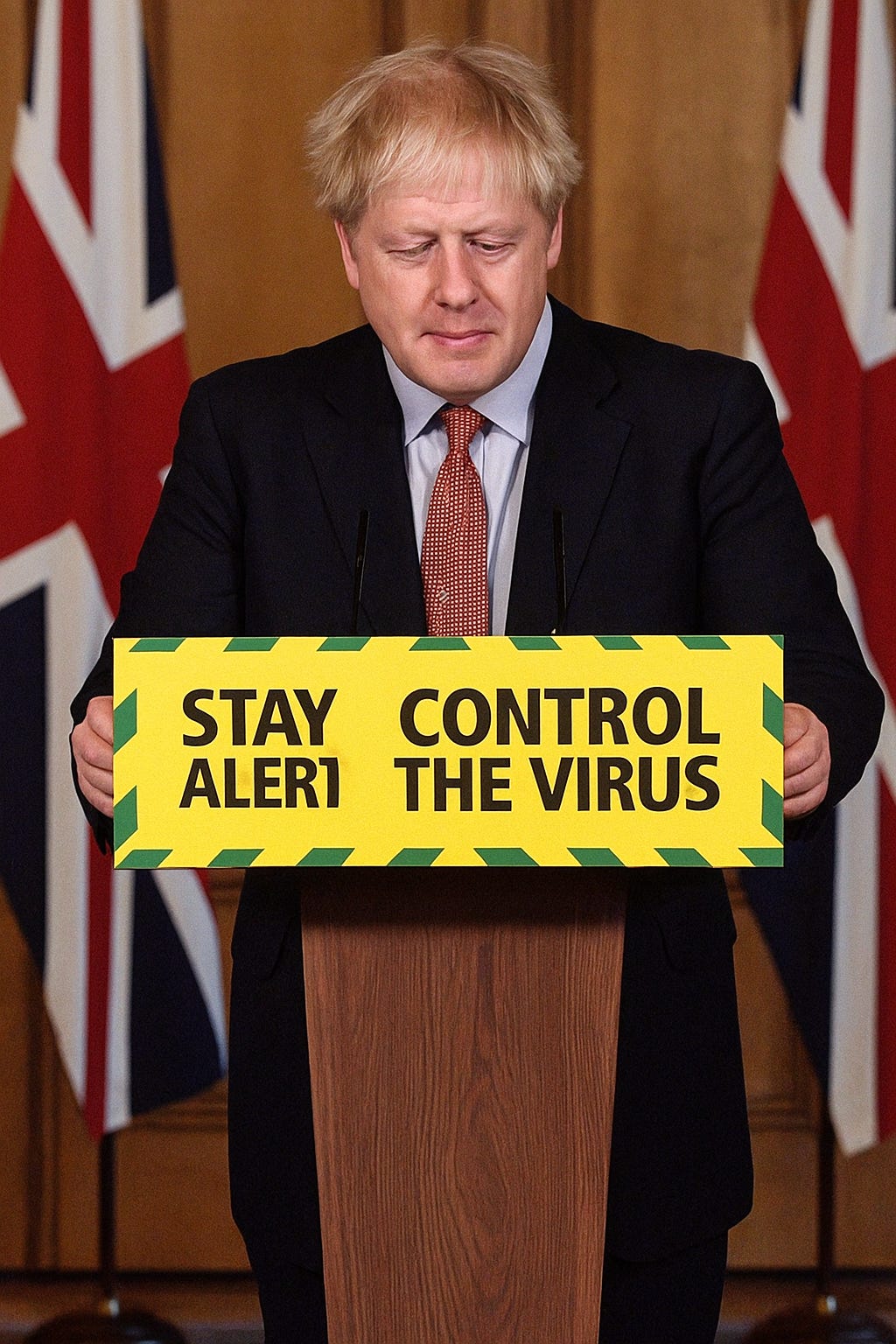
They certainly didn’t deliver what they promised to do and the continual slippage of truth and use of simplistic slogans and, occasionally, outrageous lies by a mistrusted UK government didn’t help.
Gradual admissions of what was actually in the vaccines and the use of an untried and barely-tested mRNA technology contributed towards further mistrust and the proportion of the UK population who trusted their GPs—loud promoters of the Covid vaccines without warning of possible harm—plummeted.
The authoritarian approach by most governments around the world using the same slogans raised hackles amongst swathes of their populations.
There were suspicions that the World Economic Forum (WEF)—supported by the World Health Organisation (WHO)— were pulling healthcare political and financial strings to achieve its Agenda 2030. The end of that slippery slope is eugenics and population “reduction”.
As governments review emergency authorisations and funding, the challenge isn’t to abandon innovation but to rebuild openness. Transparency, not authority, is the foundation of legitimacy.
Towards transparent science
If vaccination is to remain part of public health and an axiom of Western medicine, it must also promote open science. Publish the full data and admit uncertainty. Treat dissent as feedback, not heresy.
Journalists should report degrees of confidence, not declarations of perfection or miracle cures. Scientists should remember that humility communicates better than certainty and citizens should understand that science isn’t static truth—it’s an evolving conversation.
The credibility gap won’t close through censorship or marketing. It will close when institutions prove, by their behaviour, that they deserve the trust they ask for.
Science doesn’t need believers. It needs participants, critics and open discussion.
#public-trust #science-communication #vaccinepolitics #healthcare-transparency